
Hotels in Gilgit: What a Resort Stay Actually Adds
Comparing Resort and City Hotels in Gilgit: What the Difference Is Worth
“Resort” is a word that has been stretched thin by marketing, and travellers are right to be sceptical of it. In a lot of places it means a standard hotel with a lawn and a higher rate.
In Gilgit it usually means something more specific, and the difference is worth understanding before you decide which side of it you want to pay for. The choice between resort-style and standard hotels in Gilgit is not really a choice about luxury. It is a choice about where you intend to spend your time when you are not out on the road.
Space Changes What the Evenings Look Like
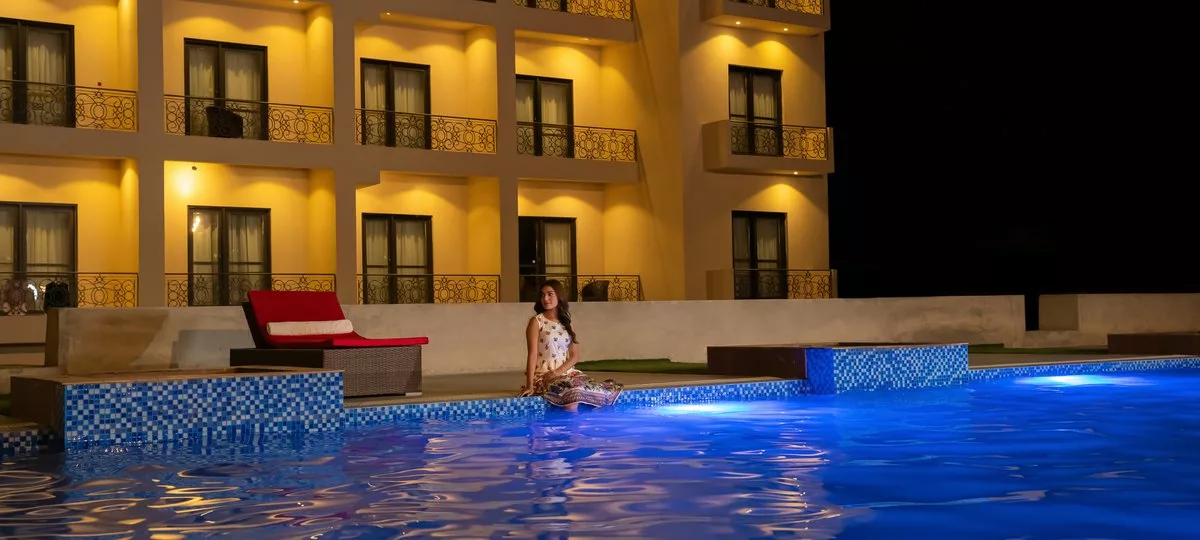
The clearest difference is grounds, and it matters more here than it would in a city on the plains.
A standard hotel gives you a room and a lobby. When you are done for the day, those are your options, or you go out. A property with actual grounds gives you somewhere to sit outside in the evening, somewhere to walk after dinner without getting into a vehicle, and open sightlines to the mountains rather than a view of the street.
That sounds like a comfort detail. In practice it changes the shape of a northern trip, because the days are long and physical and the evenings are when you recover. Having somewhere pleasant to do nothing is the difference between a trip that feels restful and one that feels like a series of drives punctuated by sleep.
It matters particularly on arrival day, when you have just come up from the plains and the sensible thing to do is very little. A property where doing very little is comfortable earns its rate on that day alone.
On-Site Dining Carries More Weight Here
In Lahore or Islamabad, in-house dining is a convenience. If the hotel restaurant disappoints you, there are fifty alternatives within ten minutes.
Gilgit does not work like that. Options are fewer, they close earlier, and after a long day on the Karakoram Highway nobody wants to go looking. This shifts the hotel kitchen from an amenity to something closer to infrastructure.
What you want to know is practical. Whether the restaurant runs full service or a reduced menu, what the hours are, whether there is anything available for late arrivals, and whether breakfast can be served early enough for a pre-dawn departure. Resort-style properties tend to be built around the assumption that guests will eat most meals on site, which usually means a wider menu, longer hours and more flexibility about timing. A city hotel may assume you will eat out, and price and staff accordingly.
If you are travelling with children, older parents, or anyone with particular dietary requirements, this single factor often decides the booking.
Rooms, Views and Who You Are Travelling With
Orientation is the other thing that separates the two. Resort-style properties are generally laid out to face the landscape, because that is the asset. City hotels are laid out to fit a plot, which means some rooms have a view and some face a wall or a road.
If the view matters to you, ask specifically rather than assuming, and ask at the time of booking rather than at check-in.
Group and family travel is where the gap widens most. A resort layout gives children somewhere safe to be that is not a corridor, gives a group of adults somewhere to sit together in the evening, and generally offers more room configurations for parties that do not fit neatly into doubles. Booking four rooms in a compact city hotel and booking four rooms across a property with grounds produce quite different trips, even at similar rates.
When the Standard City Hotel Is the Better Call
None of this makes a resort the right answer by default, and it is worth being clear about when it is not.
For a single transit night, it is largely wasted. If you are arriving at nine in the evening and leaving at six the next morning, you are paying for grounds you will never see. What you need in that situation is proximity to your departure point, a quiet room and a working alarm.
Budget is a fair reason too. Extra nights in the north are usually worth more than a higher rate for fewer nights, and there is no virtue in spending the money on your accommodation if it means cutting the trip short.
And if your reason for being in Gilgit is the town itself, whether that is business, the bazaar, or visiting people, then being close in is simply more useful than being set apart in a quieter spot.
The honest summary is that hotels in Gilgit tend to split along one line: the ones designed for people passing through, and the ones designed for people who intend to stop. Both are legitimate. Decide which describes your trip before you compare rates, because the same amount of money buys a very different experience depending on which answer applies. Grace Hospitality (gracehospitality.pk) is an option to consider if your trip leans toward staying rather than simply passing through. If your itinerary has you in Gilgit for two or three nights with side trips and slow evenings, the resort side of the comparison is where the value sits. If it has you there for one night with an early start, it is not.